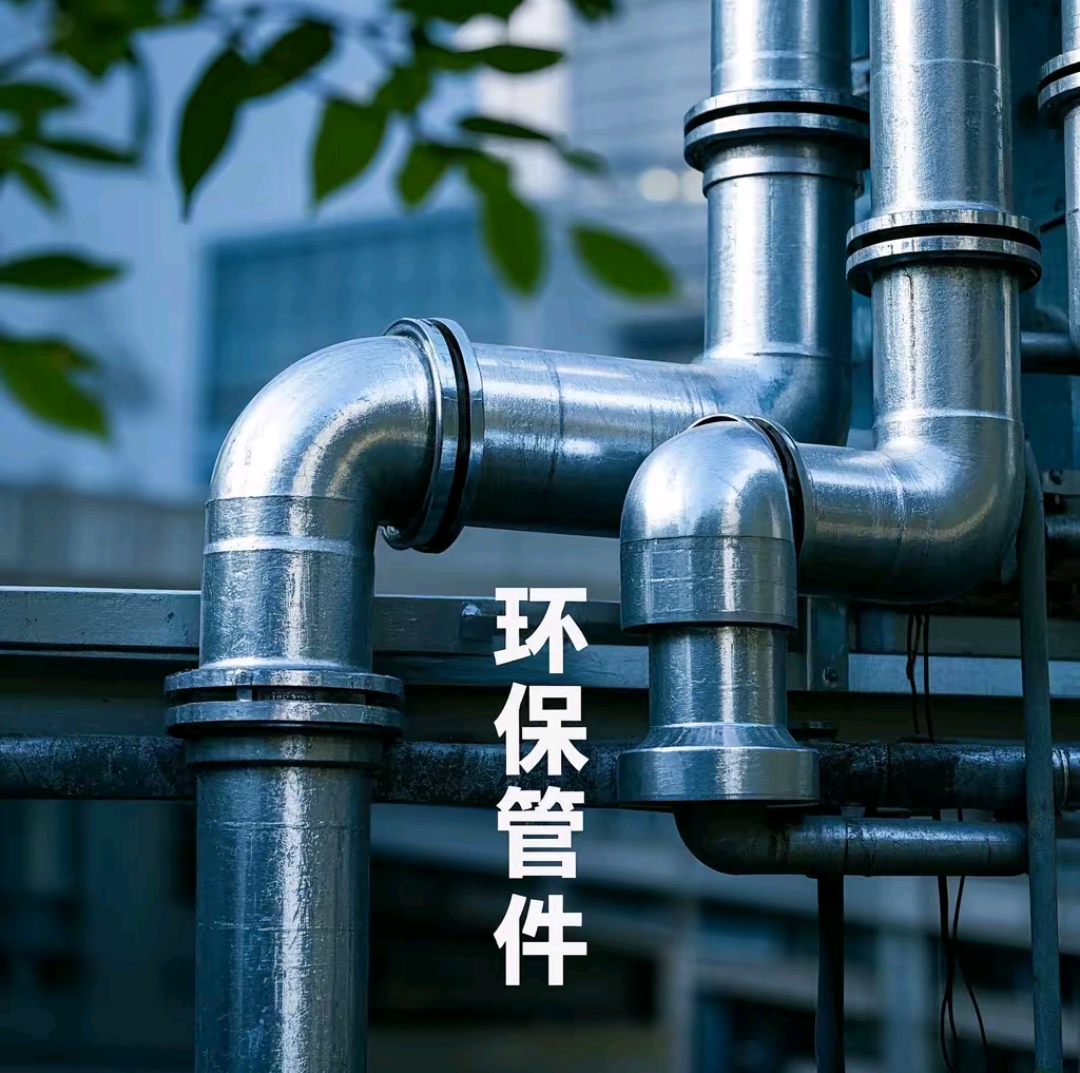
Are there any environmental requirements for pipe fittings?
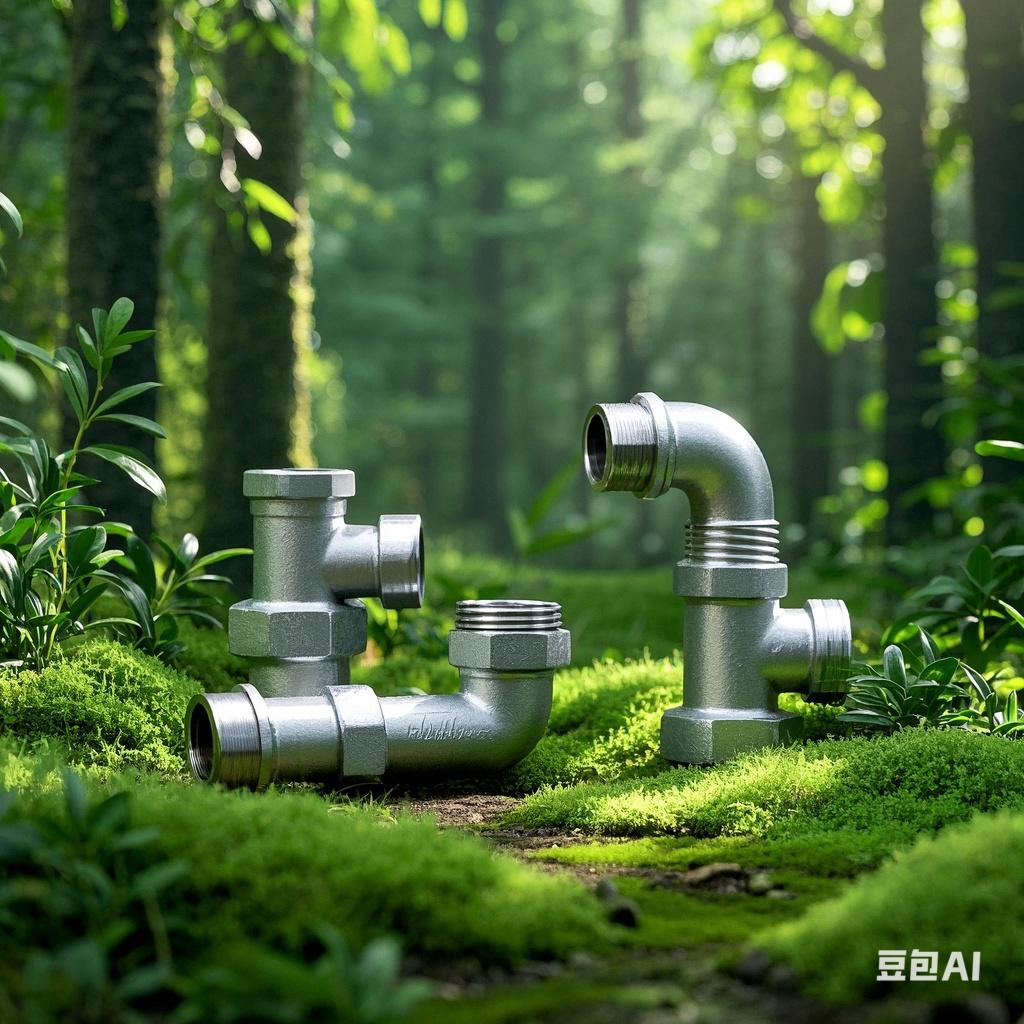
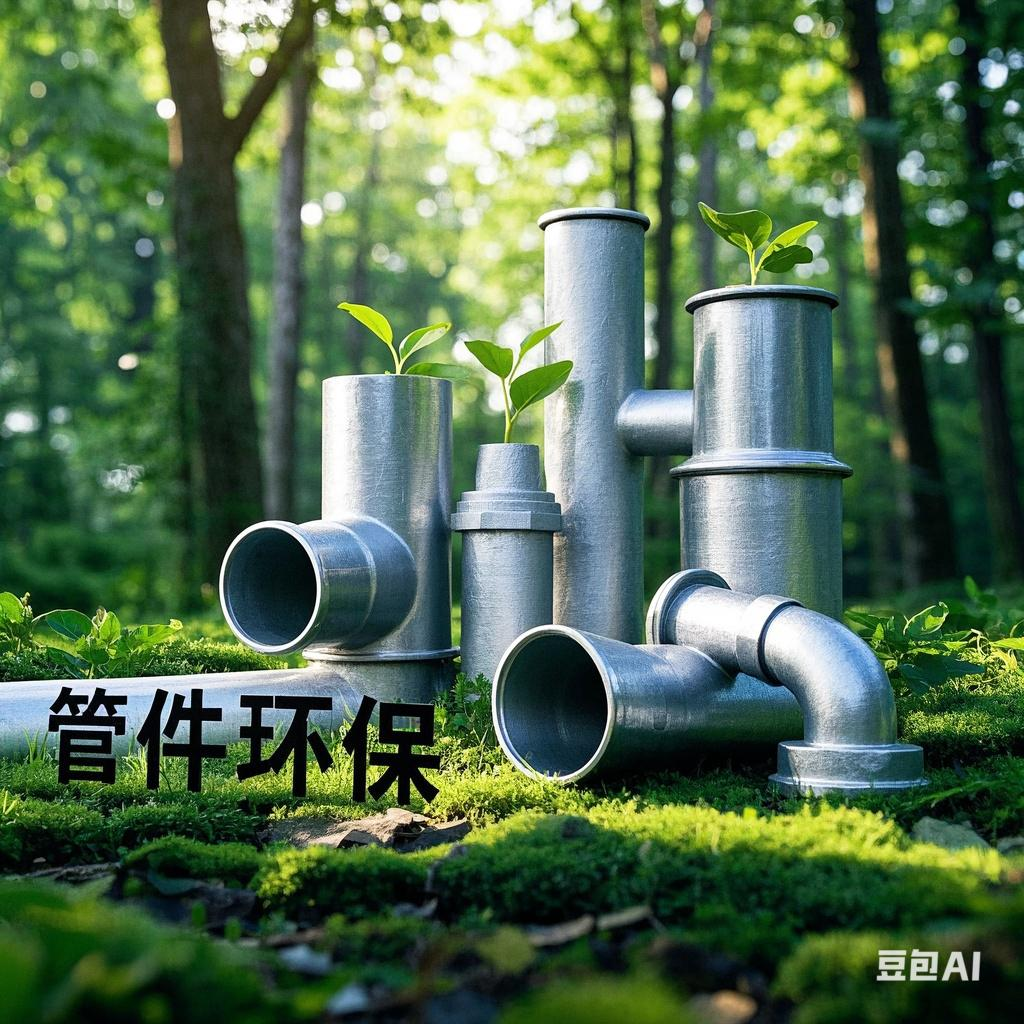
Material selection
Use of non - toxic materials: For pipe fittings in contact with drinking water or food - grade fluids, materials must be non - toxic to prevent harmful substances from leaching into the fluid and posing a risk to human health. For example, copper alloys, certain grades of stainless steel, and specific plastics like polyethylene (PE) and polypropylene (PP) that meet relevant food - grade standards are often used.
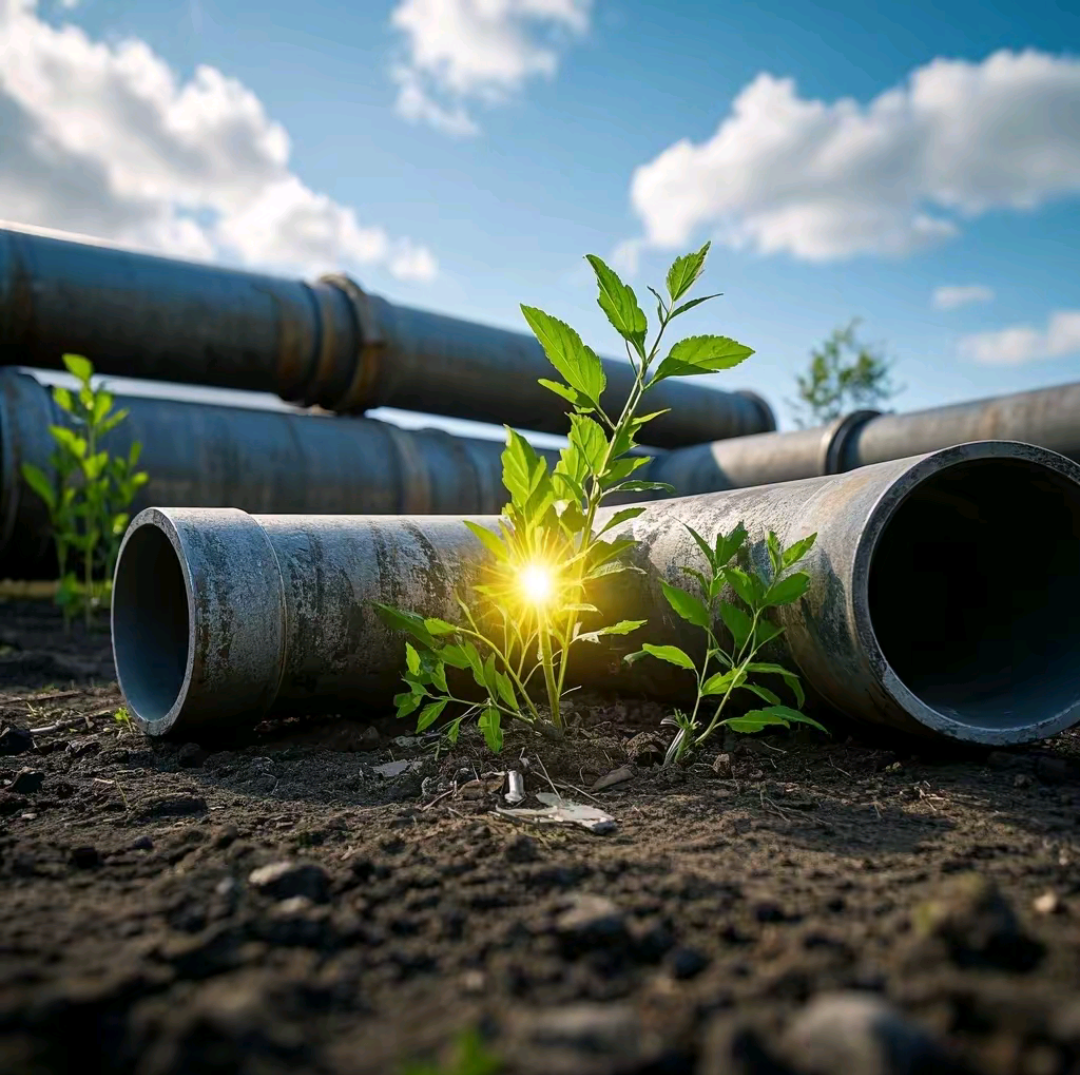
Environmental - friendly materials: With the emphasis on environmental protection, pipe fitting materials are required to be more environmentally friendly. Some materials can be recycled, reducing waste and environmental pollution.
Manufacturing process
Emission control: In the manufacturing process of pipe fittings, strict control is needed over the emission of waste gas, waste water, and solid waste. Factories should adopt advanced technologies and equipment to minimize the discharge of pollutants. For example, in the surface treatment process of pipe fittings, water - based coatings and environmentally friendly plating processes are used to reduce the emission of harmful gases and waste water containing heavy metals.
Energy conservation: The manufacturing process should also focus on energy conservation. Using energy - efficient equipment and optimizing the production process can reduce energy consumption and greenhouse gas emissions.